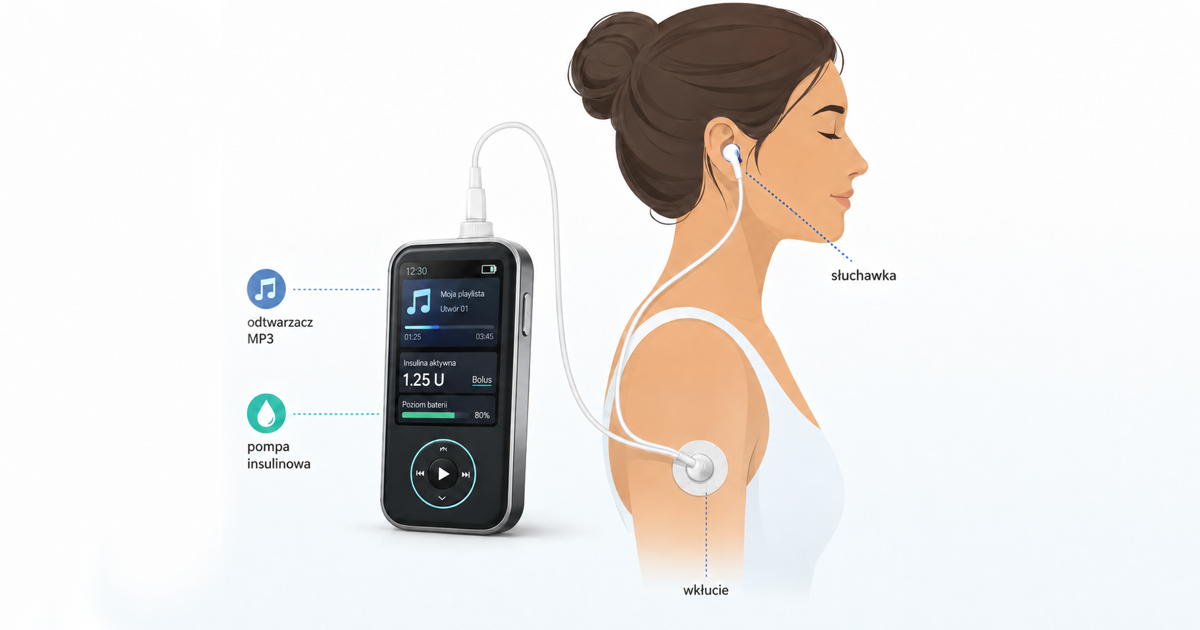
Pens and pumps: how diabetes technologies hide their medical face
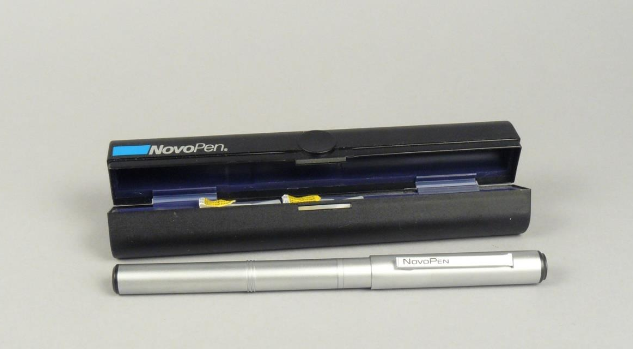
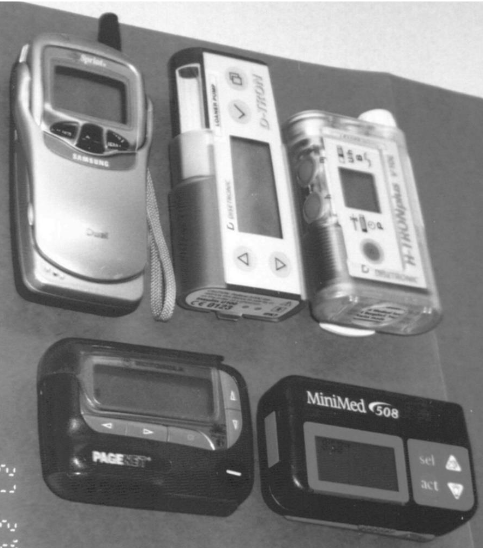
Have you ever wondered why an insulin pen resembles an elegant fountain pen, and an insulin pump… well, some people think it’s an old pager? That’s no coincidence. Manufacturers deliberately design these devices so that they do not look medical.
Check other posts:
"Jaki mamy rok?" - oburzające memy, gdy pompa wygląda jak pager
Dyskrecja w cenie - jak peny insulinowe chronią przed stygmatyzacją
Pompa Tandem t:slim X2 - kiedy urządzenie medyczne przypomina iPhone'a
“Insulin pens and pumps share aesthetic design features with common communication technologies that help to conceal their function and use as medical devices.”
- Carrie Rentschler and Benjamin Nothwehr, Transmitting Insulin
Hidden communication – what is it all for?
People with type 1 diabetes perform daily actions that may be commented on, judged, or stigmatizing. Administering insulin in front of others often comes with questions, unwanted looks, or—in the case of a syringe—being mistaken for drug use.
Designers have moved toward imitating everyday objects:
Pens → fountain pens (office, elegance, discretion)
Pumps → pagers / smartphones (technology, lifestyle, modernity)
As a result, the devices become less “disabled” and it’s easier to blend into the crowd.
What is this “pretending”?
Simply put: diabetes technologies often imitate other, more familiar objects. This is not just about fashion—it’s a deliberate strategy thanks to which:
new users accept the device more quickly
it is easier to wear and use in public places
one can (though not always) avoid unpleasant situations
“They materialize the metaphor of writing instruments and telecommunication tools into their design.”
The cost of such a “disguise”
However, not everything is rosy. Hiding one’s illness also means constant emotional work. Pretending that the device is an ordinary writing tool or a forgotten piece of 1990s technology can lead to fatigue, and sometimes—to a sense of shame.
This is the first entry in a longer series in which I discuss the themes contained in the work titled: "Transmitting Insulin: The Design, Look, and Performance of Insulin Delivery Devices as Communication Technologies" written by Carrie Rentschler and Benjamin Nothwehr in 2021.