Eversense 365 - CGM that changes the rules of the game
The CGM systems market is developing very dynamically, but most solutions are still based on sensors that need to be replaced every few to several days. Eversense 365 goes a step further – it offers an implanted sensor that works for up to 365 days without the need for replacement.
This is the first solution of its kind in the world, redefining the approach to glucose monitoring.
How does Eversense 365 work?
The system consists of three elements:
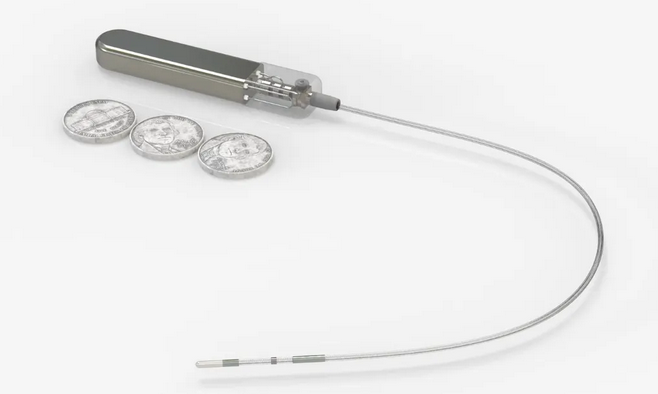
an implanted sensor - placed under the skin of the arm by a doctor
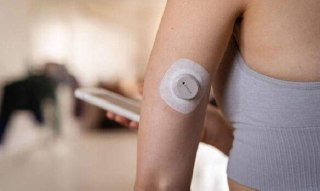
an external transmitter - worn on the skin, which can be removed
a mobile application - displaying data and alerts
The sensor measures glucose levels in real time and sends data every few minutes to a smartphone.
Importantly, the transmitter can be removed at any time without losing the sensor, which provides great flexibility in daily life.
The key difference: 1 year of operation
The biggest revolution is the sensor lifespan:
classic CGM: 7–14 days
Eversense E3: up to 180 days
Eversense 365: up to 365 days
This means only one implantation procedure per year instead of dozens of sensor replacements.
Calibration and accuracy
Eversense 365 still requires calibration, but:
at the beginning – more often
later – about once a week
The system provides readings every few minutes and offers hypoglycemia and hyperglycemia alerts, similar to other CGMs.
User comfort – a big change for the skin
One of the biggest problems with classic CGMs are:
skin irritation
peeling sensors
the need to constantly wear adhesive patches
Eversense solves this differently:
the sensor is under the skin
the transmitter uses a gentle adhesive patch changed daily
it can be removed, for example, for bathing or sports
For many people (especially those with sensitive skin), this is a huge improvement in quality of life.
Integration with AID systems
Eversense 365 is an iCGM system, which means it can integrate with automated insulin delivery (AID) systems.
This is an important step toward full automation of diabetes treatment.
Are there any downsides?
Like any technology, Eversense 365 also has limitations:
it requires a sensor implantation and removal procedure
calibrations are still needed
the medical procedure may not be comfortable for everyone
It’s a trade-off: less daily maintenance at the cost of a one-time procedure.
What does this mean for the future of CGM?
Eversense 365 shows a clear direction of development:
👉 fewer replacements
👉 greater convenience
👉 longer lifespan
👉 integration with automated therapy
This is not just another CGM – it’s a completely different philosophy of glucose monitoring.
Summary
Eversense 365 is one of the most interesting steps in the development of diabetes technologies in recent years. A yearly sensor implanted under the skin can significantly reduce the “daily burden” of living with diabetes.
It’s not a solution for everyone – but for many people it may be exactly what they have been waiting for.
Price?
Eversense E3: approx. $1,350 for a 180-day sensor and $700 for the transmitter. Additional cost for the implantation/removal procedure
Eversense 365 price will certainly be higher than E3