Discretion comes at a price - how insulin pens protect against stigma
Continuation of the historical series - parts one and two in the links below:
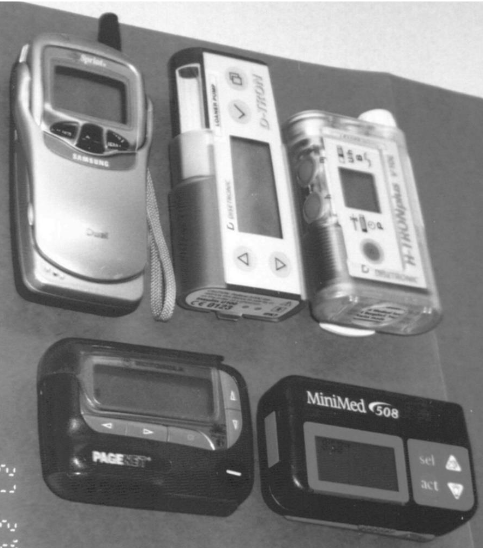
Pens and pumps: how diabetes technologies hide their medical nature
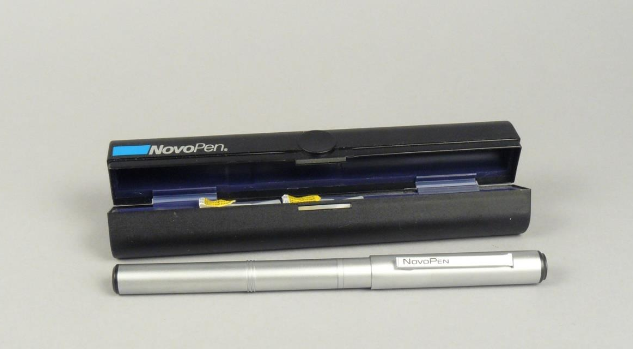
The NovoPen from 1986 - how a fountain pen changed diabetology
In 1984 Jørn Rex, one of the creators of the NovoPen, wrote about discretion as a key advantage of pens. The goal was "to make insulin therapy more socially acceptable".
The syringe problem
Why does it matter? The syringe has a terrible image. For many people, it is linked not to diabetes treatment but to intravenous drug use.
"The syringe carries the stigma associated with the act of injecting illicit drugs" - Rentschler and Nothwehr.
The author of the article (Carrie) describes how, as a teenager, she had to explain to her boyfriend's father that the syringe in the trash was not for drugs but for insulin. This happens to many people. I've heard those questions myself.
How does the pen solve the problem?
The pen hides the needle and mechanism inside a casing that resembles a writing pen. You can take it out around others without causing a scene.
"Several students suggest that patients feel less conspicuous carrying a NovoPen device and more comfortable using it in public compared with a syringe" - Rex, Jensen, Lawton (2006).
Manufacturers sell discretion as a benefit. And yes - a pen draws less attention than a syringe.
My view: this is not clearly a good thing
The diabetes community is divided. Hiding can lead to shame about the condition, a sense that "something is wrong with us", and distance from others with diabetes who are more visible.
I think designing pens and pumps to "blend in" sends the wrong message: that diabetes is something to hide. A better approach would be normalization - showing that taking insulin in front of others is nothing to be ashamed of. But manufacturers have no incentive to push that.