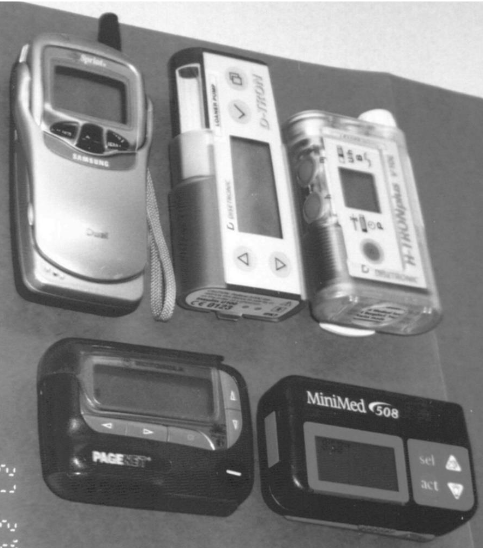
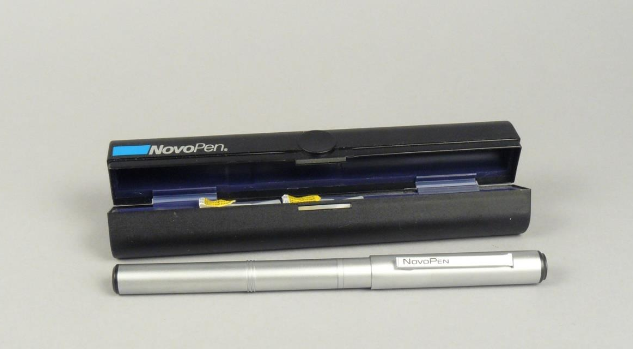
A distant past - a little history...
When I look at this timeline:
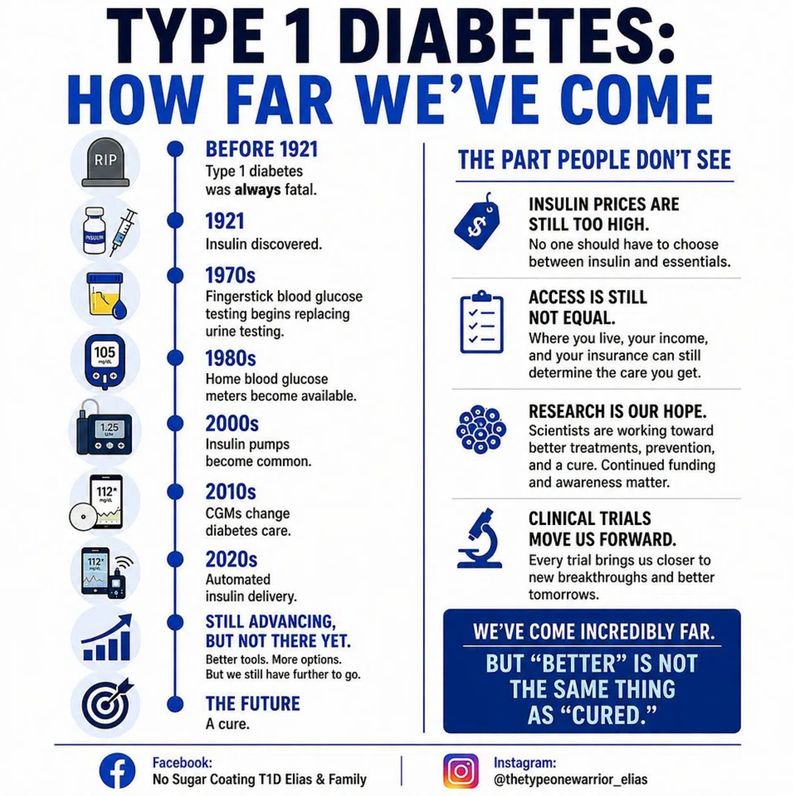
from 1921, when insulin was hailed as a medical miracle, to today's automated insulin delivery systems - it is hard not to feel proud of how far we have come. Yet I am still left with a bitter aftertaste. Technology has transformed type 1 diabetes treatment beyond recognition, but the core problem has remained unchanged for more than a century: there is still no cure. However uncomfortable it may be, that truth should form the basis of every discussion about the future of diabetes care.
From a death sentence to a daily struggle
Before insulin was introduced, type 1 diabetes was almost always fatal. Restrictive diets, sometimes bordering on starvation, could temporarily prolong life, but they did nothing to correct the lack of insulin. Children and young adults gradually lost weight, developed diabetic ketoacidosis, and usually died within months or years of diagnosis.
The story of insulin's discovery is more complex than the popular account of two researchers. The University of Toronto team included Frederick Banting, Charles Best, John Macleod, and biochemist James Collip. Banting proposed the direction of the experiments, Best helped carry them out, Macleod provided the laboratory, expertise, and scientific supervision, while Collip developed a more effective method of purifying the pancreatic extract.
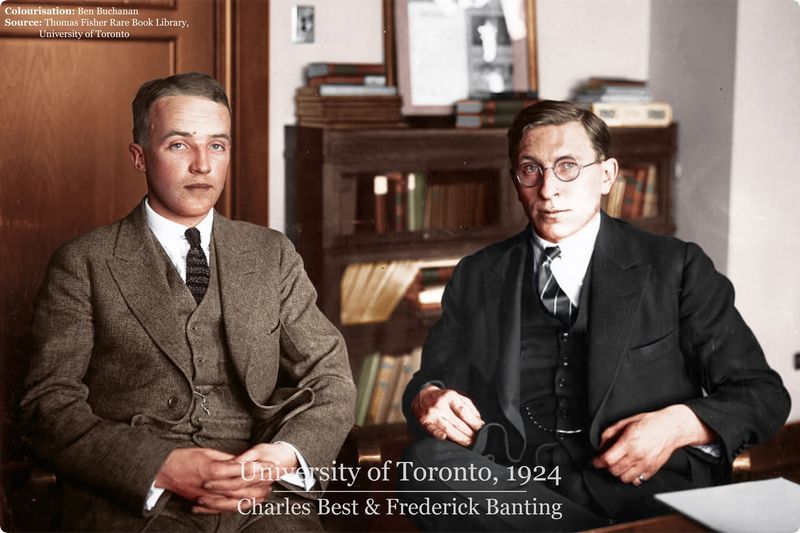
The first attempt to administer the extract to fourteen-year-old Leonard Thompson took place on January 11, 1922, but the preparation was too impure and caused adverse effects. After Collip purified it, a second dose given on January 23, 1922, produced a clear improvement. This marked the beginning of effective insulin treatment.
In 1923, Banting and Macleod received the Nobel Prize. Banting shared his portion with Best, while Macleod shared his with Collip. The decision was controversial from the start, partly because other researchers had previously worked on obtaining an antidiabetic pancreatic extract.
Nicolae Paulescu and the forgotten chapter of insulin's history
Accounts of insulin's discovery often overlook Nicolae Paulescu, a Romanian physiologist who studied the antidiabetic effects of pancreatic extract before the Toronto team published its full findings.
Paulescu began his experiments before World War I and resumed them after the war ended. In 1921, he published results showing that his aqueous pancreatic extract, which he called "pancrein," reduced glucose levels, limited glucose in the urine, and affected metabolic abnormalities in dogs with experimentally induced diabetes. In 1922, he obtained a Romanian patent covering pancrein and its preparation.
This provided important evidence that the pancreas produced an antidiabetic substance. However, Paulescu's preparation was never developed into a safe and reproducible treatment for humans. The extracts were impure and caused toxic effects. The Toronto team's breakthrough came from confirming the extract's effects, purifying it, successfully using it in patients, and rapidly launching larger-scale production.
The fairest assessment is to describe Paulescu as one of the major precursors of insulin's discovery, alongside researchers such as Georg Zülzer, Ernest Scott, and Israel Kleiner, rather than as the sole discoverer erased from history.
His biography also has a dark side that should not be ignored. Paulescu was politically active and published fiercely antisemitic and fascist texts. Recognizing his scientific contribution does not require overlooking or excusing those views.
"Better" is not the same as "cured"
This brings us to the central issue. The timeline in the image ends with the words "STILL ADVANCING, BUT NOT THERE YET." Then comes: "Better tools. More options. But we still have further to go." And finally: "WE'VE COME INCREDIBLY FAR. BUT BETTER IS NOT THE SAME THING AS CURED."
That message deserves to be heard loudly and clearly. CGM systems such as the Dexcom G7 and FreeStyle Libre offer unprecedented accuracy and convenience, while insulin pumps are becoming increasingly intelligent. Yet every day with type 1 diabetes remains a struggle - a struggle to maintain stable glucose levels, avoid hypoglycemia, and plan every meal and activity. This is not freedom. It is disease management 24 hours a day, 7 days a week.
Is science closer to a cure today?
The answer is yes, but the word "cure" needs clarification.
We can speak of a functional cure when a person no longer needs externally administered insulin for an extended period because transplanted cells respond to glucose and produce insulin again. However, the underlying cause of the disease has not truly been removed when the patient must take immune-suppressing drugs for life.
A complete cure for type 1 diabetes requires two problems to be solved at the same time. First, a sufficient number of beta cells must be restored. Second, the autoimmune process that destroyed those cells must be stopped without dangerous long-term immunosuppression.
Beta-cell replacement therapies are currently the most advanced. Pancreatic islet transplants from deceased donors can restore insulin independence in some patients, but donor availability is limited and treatment requires anti-rejection medication.
In 2023, the FDA approved Lantidra - a pancreatic islet cell preparation derived from deceased donors - for selected adults with recurrent severe hypoglycemia. In clinical studies, 21 of 30 treated patients achieved insulin independence for at least one year. However, the procedure requires long-term immunosuppression and carries risks including serious infections, cancer, anemia, and procedural complications
Pancreatic islets produced from stem cells inspire even greater hope. In a small study of zimislecel , 10 of 12 patients no longer needed external insulin after one year, and glucose control improved in every participant. This is some of the strongest evidence yet that laboratory-produced cells can take over the function of destroyed beta cells. Long-term immunosuppression was still required, however, and the treatment remains experimental.
The phase 1/2/3 trial remains ongoing. After part of the dosing program was temporarily paused for a review of the manufacturing process, the company announced in May 2026 that the review had been completed and the program had resumed. The therapy has not yet received regulatory approval
Other teams are attempting to enclose cells in protective capsules or genetically modify them so that the immune system does not recognize them. These studies are promising, but they face problems involving cellular oxygen supply, device fibrosis, and the long-term safety of cells made "invisible" to the immune system.
The second approach is immunotherapy. Drugs such as teplizumab can delay the onset of symptomatic diabetes in people at an earlier stage of the disease and may slow the loss of natural insulin production shortly after diagnosis. However, they do not restore a substantial mass of beta cells in someone who has lived with the disease for many years.
In people with asymptomatic stage 2 type 1 diabetes, a single 14-day course delayed the median progression to clinical stage 3 disease from about 25 to 50 months. This does not amount to a cure or guarantee that the disease will never develop. In June 2026, the FDA expanded the indication for teplizumab to selected pediatric patients with newly diagnosed stage 3 diabetes to delay the loss of their remaining insulin production
Gene therapy? Researchers are considering methods that could prompt other cells, such as liver or muscle cells, to produce insulin in a controlled way. The greatest challenge is achieving secretion that responds precisely to glucose levels. Constant insulin production could cause dangerous hypoglycemia.
The most likely outcome is that a future cure will not be a single miracle drug. It may require combining cell therapy with targeted immunotherapy: new insulin-producing cells paired with a way to teach the immune system not to destroy them.
We have not reached the end of the road. For the first time, however, some research is focused on restoring insulin production in the body rather than merely improving insulin delivery. This remains experimental and is not a cure available to everyone - but the boundary between treating symptoms and restoring lost pancreatic function has genuinely begun to shift.
My conclusions
More than one hundred years after insulin's discovery, the scale of progress is impossible to dismiss. Modern insulins, continuous glucose monitoring systems, pumps, and automated insulin-delivery algorithms allow people with type 1 diabetes to live longer and more safely, with a lower risk of complications. These achievements make a real difference in the daily lives of millions of people.
But increasingly effective disease control should never be confused with a cure. Even the most advanced system still demands vigilance, responses to alarms, meal planning, insulin refills, and countless daily decisions. Technology can reduce part of the burden, but it does not remove the cause of the disease.
At the same time, research is finally moving beyond incremental improvements in insulin therapy. Cell therapies have already restored natural insulin secretion in some trial participants. Immunotherapy may delay disease progression or protect some remaining beta-cell function. Researchers are also working on immune-resistant cells, encapsulation, beta-cell regeneration, and gene therapies.
None of these approaches has yet produced a durable, widely available cure that avoids long-term immunosuppression. That does not mean progress has stalled. The line between symptom management and genuine restoration of pancreatic function is beginning to move.
For that reason, I do not see the lack of a cure solely as a source of frustration. I see it as a reason to keep pushing: supporting research, communicating its results honestly, expanding access to modern treatment, and insisting that the goal must be greater than ever more efficient diabetes management.
Better technology is needed right now. It helps people live more safely while science searches for a treatment that addresses the cause. But it must never stop us from demanding the ultimate goal - a life without constant glucose monitoring and insulin administration.
I hope to live to see the day when I can say that a safe, accessible, and lasting cure for type 1 diabetes exists. More than anything, I want my son to live free from diabetes, rather than merely living better because of technology.