Is Dexcom winning the fight for type 2 diabetes? Stelo, Smart Basal, and a new strategy.
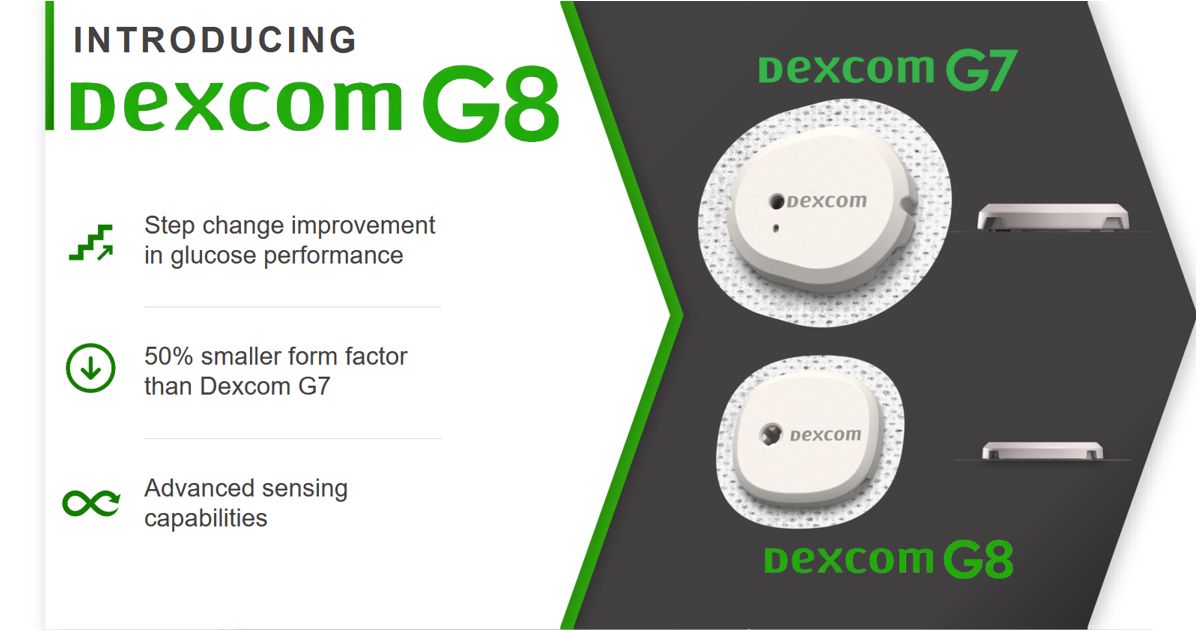
For years, CGM seemed to belong mainly to people on intensive insulin therapy, especially type 1 diabetes. Dexcom, however, is clearly changing strategy - and this year's Investor Day confirms it. The company is going after a huge, neglected type 2 diabetes market. It is doing it from two sides: directly for patients without a prescription, and through the healthcare system with tools for clinicians.
Stelo - over-the-counter CGM for patients with type 2 diabetes
Stelo is Dexcom's direct-to-consumer product. It is a system for people with type 2 diabetes who do not use insulin, as well as for people with prediabetes. Unlike the G7, it lasts 15 days, has no hypoglycemia alerts because the user is not at that risk, and has a shorter sensor startup process. The price? In the United States, it is $99 per month, or $89 with a subscription. For Dexcom, it is a strategic tool for collecting data about this patient group, which until now had largely been out of reach. What is interesting is that the company admits in its presentation that Stelo is teaching them what customers with type 2 diabetes actually want: personalized, simple, engaging information, not a bare number on a screen.
Dexcom Smart Basal - the first basal insulin optimizer
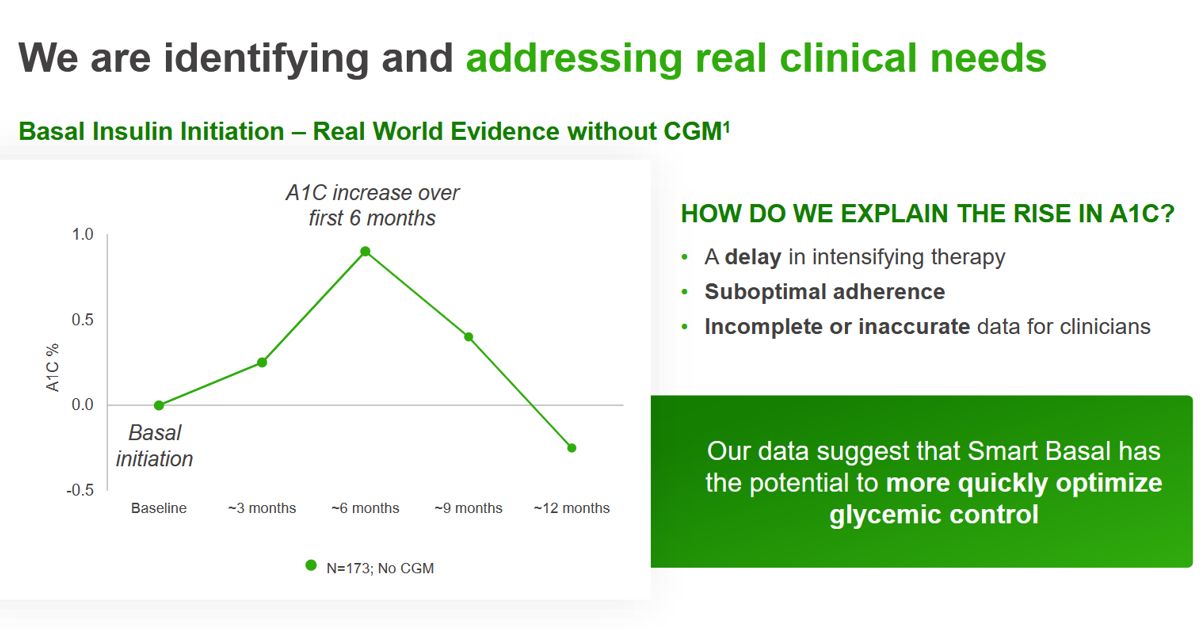
This is the most interesting part for me - Dexcom Smart Basal. The device received FDA clearance in 2025 and, as of May 2026, is already available. It is the first and only basal insulin dosing optimizer integrated with CGM, designed specifically for patients with type 2 diabetes. The mechanism is straightforward: the system analyzes sensor data and suggests the optimal dose of long-acting insulin to the clinician or patient. Why does this matter? Because, according to Dexcom's data on the slide above, after patients with type 2 diabetes start basal insulin, their HbA1c rises during the first 6 months, due to delays in therapy intensification, suboptimal adherence, or incomplete data for the clinician. Smart Basal is supposed to change that - flatten the curve and help patients reach control faster. Studies found that patients using it felt less burdened by the treatment process.
Smart Bolus - less math in everyday life
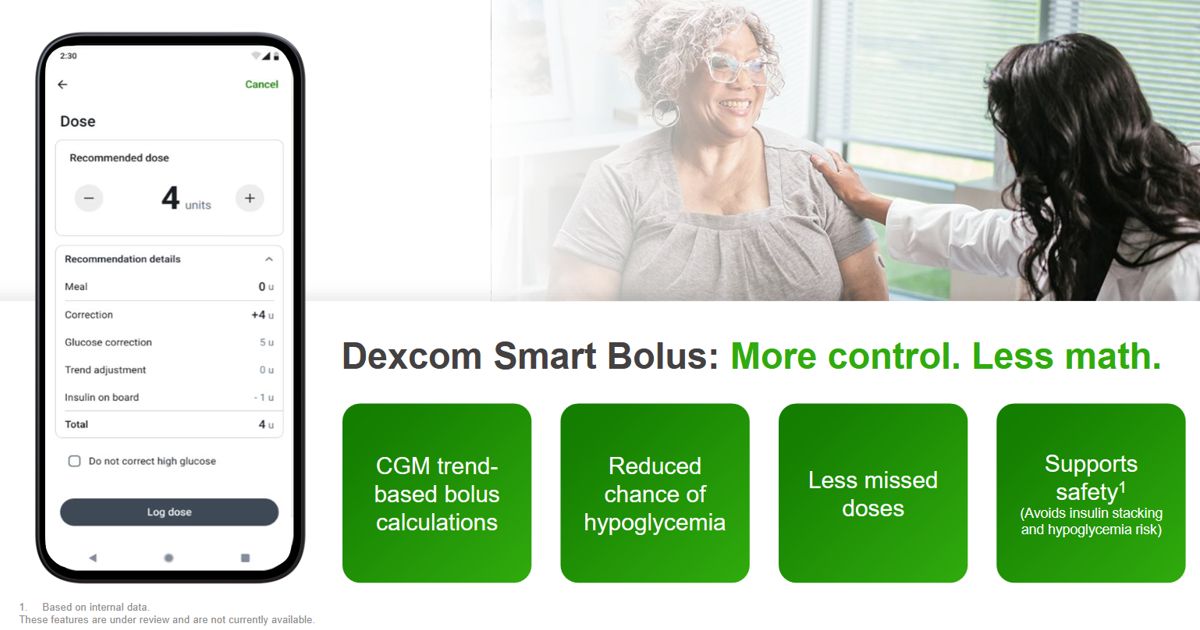
Dexcom Smart Bolus is a future-facing tool intended to simplify rapid-acting insulin dosing and reduce the daily mental burden of counting carbohydrates. In the presentation, Dexcom says it plainly: people on mealtime insulin make dozens of extra decisions every day. Smart Bolus is meant to do the math for them. It is a response to diabetes distress, which affects 30-40% of people on insulin.
Summary
Dexcom has finally stopped pretending that type 2 diabetes is not its market. Stelo is a shot at the "lower segment" - people without reimbursement who want better awareness. Smart Basal is a tool for primary care physicians, who often do not have the time or specialist knowledge to fine-tune basal insulin doses. Smart Bolus is the high-end piece for advanced users. The strategy makes sense. I have only one concern: tools such as Smart Basal could become an excuse for the healthcare system to restrict access to specialists even further. "The algorithm will give you the dose, so why do you need a diabetologist or endocrinologist?" That is a dangerous path.
*Sources: Dexcom Investor Day 2026 presentation; press releases about Stelo (2024/2026); information about FDA clearance for Smart Basal (November 2025/May 2026)