Dexcom G8: a major shift in glucose monitoring - smaller, more accurate, and smarter than ever
Dexcom has officially presented its new continuous glucose monitoring (CGM) system - Dexcom G8. The announcement was made during the company's annual Investor Day, and the new system has clearly stirred interest in the medtech sector. Dexcom G8 is meant to be more than another small upgrade: the company describes it as a "completely new product platform" that introduces a so-called "step-change" - a sharp leap in quality. Still, anyone hoping for a quick launch should temper their expectations.
Dexcom G8 is 50% smaller than G7, lasts 15 days, and introduces adaptive accuracy - the sensor adjusts to the user's individual physiology, reducing false readings. The launch is planned only for late 2027 or early 2028, but the company is already promising a future multi-analyte version that would also measure ketones and potassium. This is not a cosmetic update - Dexcom is changing the measurement philosophy, betting on a sensor that learns the patient's body instead of forcing the patient to adapt to the device.
Launch date and availability - patience may pay off
The market launch is expected only around late 2027 or early 2028. Even so, it is already worth taking a close look at what Dexcom is preparing for people with diabetes around the world.
Smaller size and longer wear time
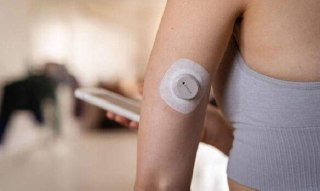
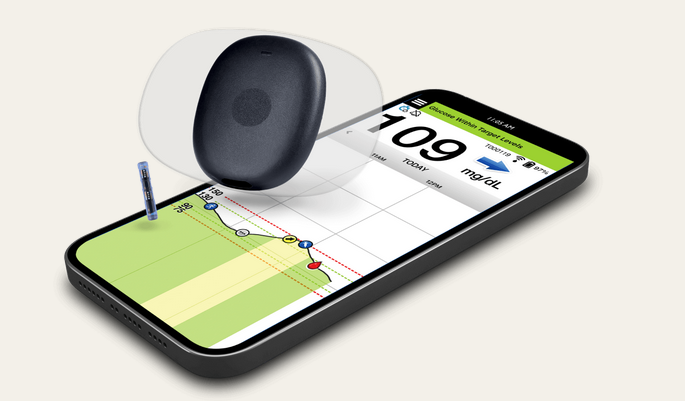
One of the most visible changes is the physical size of the device. G8 is 50% smaller than its predecessor - Dexcom G7. The sensor has a slightly more square shape with rounded corners, and the adhesive patch is also smaller - the whole device will take up less space on the body. That is a strong move toward comfort and aesthetics, especially for people who value discretion.
The system is designed to work for 15 days, which Dexcom is positioning as the new standard for all its sensors. It also includes a 12-hour grace period, already familiar from the G7 model. The age range has not yet been officially confirmed, but the sensor will likely be intended for people aged 2 and older.
Adaptive accuracy - how Dexcom G8 changes the rules
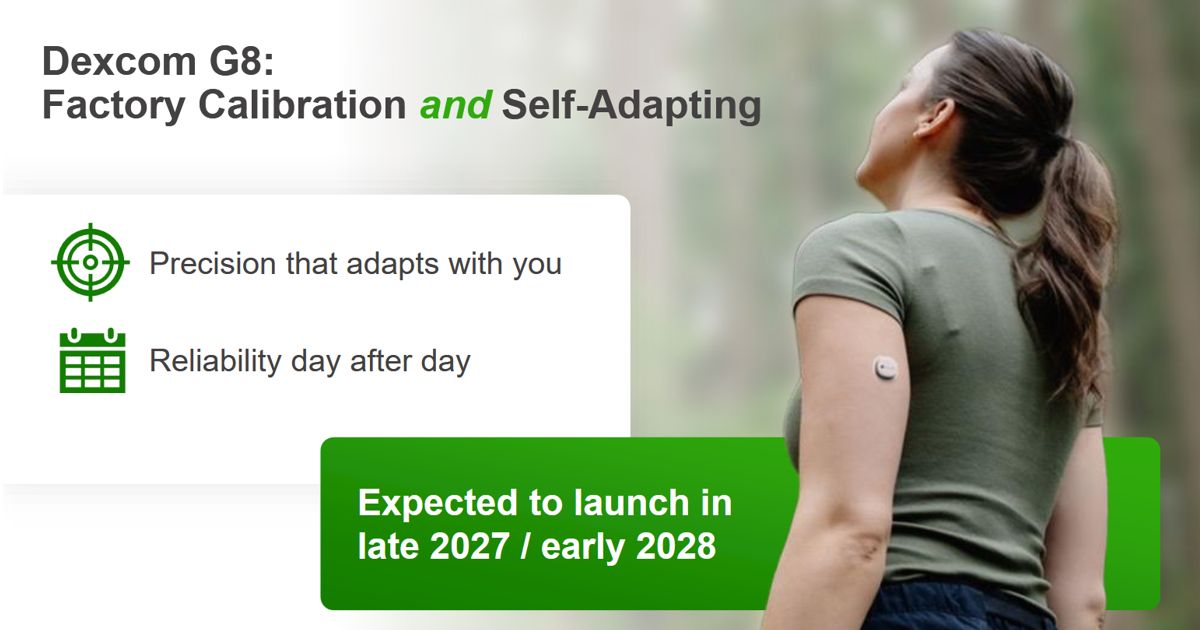
The most important technology in G8 is adaptive accuracy. The sensor will adjust to each user's physiological variability, and that feature gives it a real edge over the competition. Dexcom is introducing a new chip and an advanced algorithm that can measure additional signals beyond glucose alone.
As a result, the device can respond in real time to physiological changes and reduce, or even eliminate, so-called outlier readings - sudden, implausible spikes or drops in glucose. The combination of traditional factory calibration with adaptive adjustment to individual user needs gives G8 a serious chance of becoming the most accurate CGM on the market. That directly translates into better detection of abnormalities and a meaningful improvement in therapeutic safety.
Why adaptive accuracy is a breakthrough
Most current sensors use static correction models. Dexcom G8 goes further - it learns your body. For a person with diabetes, that means fewer false alarms and greater confidence in readings. This is not a minor tweak, but a fundamental change in how measurement works.
The multi-analyte future: ketones and potassium
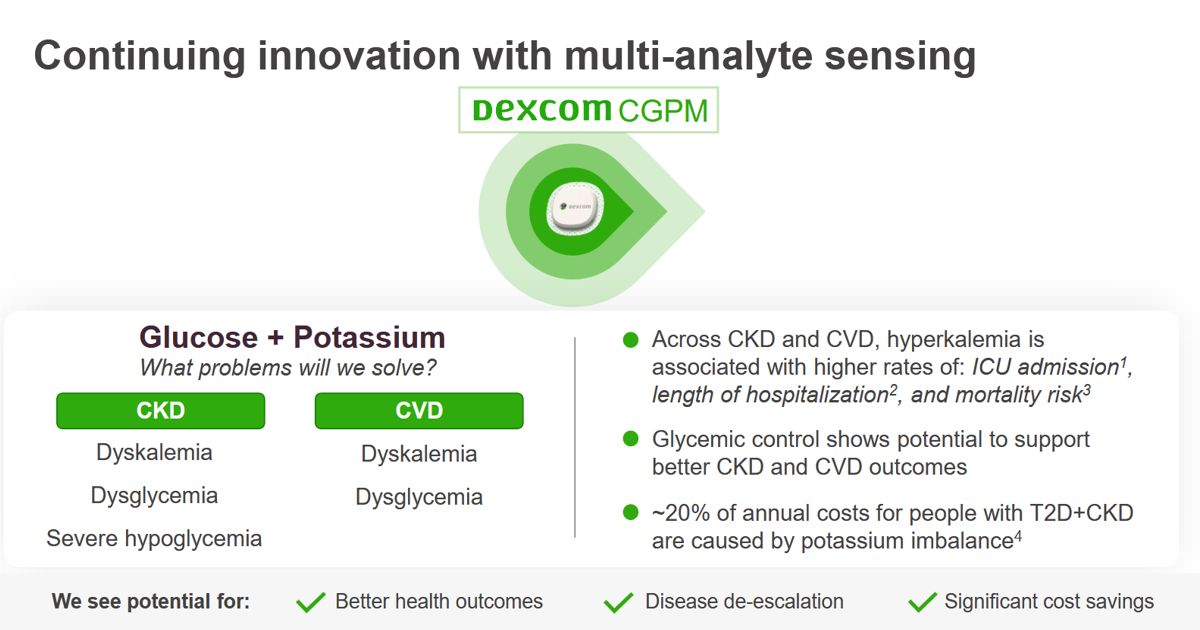
While accuracy and reliability are the priorities, Dexcom is also working on something much bigger - a multi-analyte sensor. In the future, G8 is expected to measure glucose as well as ketones and potassium.
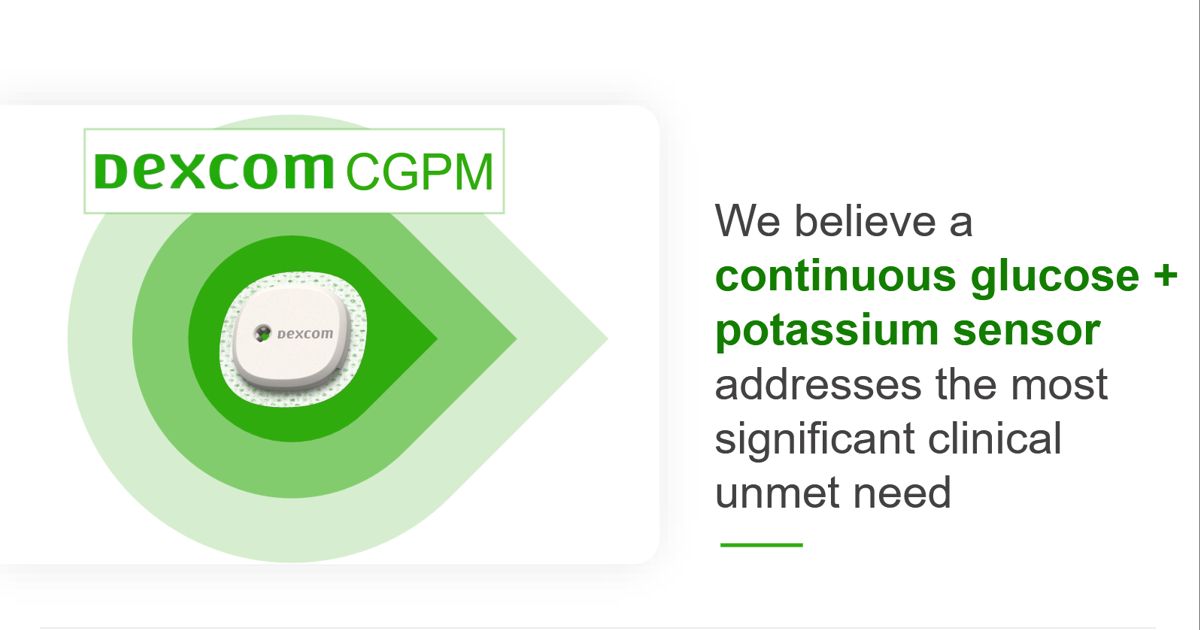
Ketones are a key indicator in diabetes, especially type 1 diabetes, because elevated levels can lead to dangerous ketoacidosis. Continuous potassium measurement - with the device described as CGPM - could help people at risk of hyperkalemia, a condition in which excess potassium in the blood can lead to serious cardiac complications. Until now, potassium has mainly been tested through conventional blood draws.
Although these features are highly promising, they remain in the planning stage for now. Dexcom has not yet provided a timeline, and CEO Jake Leach admitted that before ketone measurement can be introduced, further clinical work is needed to determine how these data should be measured and communicated to users.
Challenges in ketone measurement
The technology itself is only part of the problem. Patient education and interpretation of additional parameters in daily disease management are a major new challenge, and Dexcom cannot afford to underestimate it. For that reason, the company will first introduce G8 as a classic CGM and only later build a multi-analyte version on that platform. The technology is being developed for all people with diabetes - not just one narrow patient group. Dexcom seems to understand that personalization and accessibility will decide whether this product succeeds commercially.
Summary: is Dexcom G8 worth waiting for?
The coming years look genuinely exciting for CGM users. Dexcom G8, although still quite far away, shows where modern diabetology is heading. A sensor that adjusts to the body instead of forcing the body to adjust to it sounds like a real revolution.
Will Dexcom actually deliver on its promises? Will adaptive accuracy prove to be marketing language or a true game-changer? We will probably know in two years at the earliest. For now, people with diabetes around the world have a good reason to watch what comes next with cautious optimism.
I also wrote about Dexcom at ATTD 2026 - Dexcom at ATTD 2026: what's new in the world of CGMs?
I will also try to cover the most interesting takeaways from the Dexcom report in more detail in upcoming articles.
And here is an article about Nightscout and how to connect Dexcom to it: