Diabetes performance - life under social and medical surveillance
Type 1 diabetes is more than a disease. It is a constant performance. Every day you check your blood sugar, take insulin, analyze results. And you often do it in front of others: family, coworkers, random people on the bus.
"Type 1 diabetics are in medically compelled human-technological relationships" - notes Stephen Horrocks, a researcher of diabetes technologies. We do not choose these relationships. We are forced into them if we want to live.
Carrie Rentschler and Benjamin Nothwehr, authors of the article "Transmitting Insulin", go further. They argue that diabetes is not just a medical condition - it is a set of practices we perform every day. Annemarie Mol and John Law (researchers from a Dutch university) call it "doing diabetes". We measure blood sugar, feel hypoglycemia symptoms, counteract them, take insulin. All of this happens in relation to technology and in the presence of other people.
Surveillance you can feel
Rentschler and Nothwehr introduce the concept of "monitored performance". It refers to performing diabetes while being observed within medical and social surveillance systems.
Parents check if a child has taken a measurement. A school nurse asks about results. A boss worries that hypoglycemia will affect work. Strangers stare when you inject insulin into your stomach at a café table. Even online - on forums and social media groups - people with diabetes judge each other.
Mark Lucherini, an Australian researcher, calls this "felt surveillance". His research shows that "people with diabetes often express a sense of felt surveillance of their bodies when in public space". This is not paranoia. It is everyday reality.
Shame and guilt
If your blood sugar is not perfect, you often hear: "You eat badly", "You are not committed to your therapy". Research cited by Rentschler and Nothwehr shows that 76 percent of people with type 1 experience stigma from others. In type 2, the figure is 52 percent - still high, but lower. These numbers are not random.
"Any failure in self-management may become bound to a sense of shame, producing a diabetes-shame-bind that is activated whenever criticized" - writes Alan Archer (2014). Shame and diabetes form a loop. Every criticism triggers guilt. And criticism comes often - from doctors, from family, from ourselves.
Susan Wendell, a philosopher of disability, adds: "people with chronic illnesses are likely to be blamed or held responsible not only during the process of seeking a diagnosis, but also during every relapse or deterioration of their condition". So every time blood sugar spikes, the assumption is that it is our fault. Not the disease. Not fatigue. Not stress. Us.
In my view, this is one of the most toxic aspects of living with diabetes. The medical and social system pushes the idea that you just need to "try harder". That is simply wrong - diabetes is not laziness, it is an autoimmune disease.
Passing - pretending you are healthy
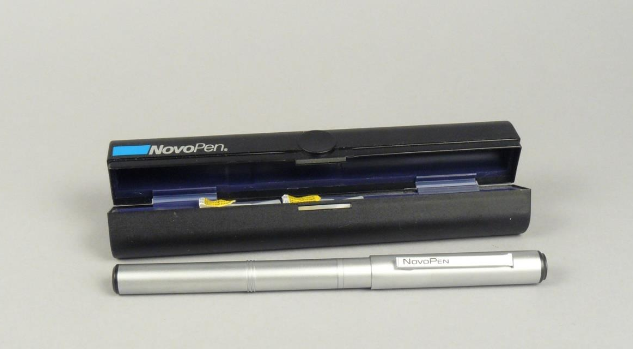
With modern pens, pumps, and CGM, you can hide many symptoms and actions. You pass as someone without the condition. As Lucherini’s research puts it: "the relative ease of concealing many of the management practices of diabetes also means that people can pass as nondiabetic".
This has advantages. You avoid questions, unwanted pity, stupid comments. But it also has downsides. Hiding requires constant work - moral, emotional, physical. As Rentschler and Nothwehr put it - "work that is moral and emotional, as well as physical and technological".
And a new problem appears. Once you can hide, people expect you to do it. Injecting insulin in public becomes "inappropriate". You might hear: "Why are you doing that here? Couldn't you go to the bathroom?".
Ellen Samuels, a disability researcher, notes that passing can be a strategy of resistance, not submission. "The ability to pass as non-disabled may not communicate a desire to assimilate, but could instead signal resistance to norms of surveillance applied to non-normate bodies". This distinction matters. Sometimes we hide not out of shame, but because we refuse constant scrutiny. That difference is crucial.
What do we do with it?
Rentschler and Nothwehr do not offer easy answers. They have lived with diabetes since childhood. They know surveillance and shame are part of the package. But they also show that you can take a stance - negotiate norms, reject some, build your own strategies, as the T1D community does on blogs, forums, and in memes.
More on discretion and design - in #3 Discretion matters - how insulin pens protect against stigma
Previous articles in the series: