Financial results
Medtronic published its results for the fourth quarter of fiscal year 2026 (ended April 24, 2026). The Diabetes segment - responsible for insulin pump and CGM systems - recorded revenue growth of 15% year over year on a reported basis and 8.1% organically. For the full fiscal year 2026, Diabetes revenue reached USD 3.112 billion, representing reported growth of 12.9% and organic growth of 7.9%.
Organic growth means revenue growth generated solely by the company's core business - that is, sales of existing products and services in existing markets - after excluding the effects of:
currency exchange fluctuations (because converting euros or yuan into dollars can distort the picture)
acquisitions and mergers (because buying another company artificially boosts revenue)
divestitures or closures of business units (because selling part of the business lowers revenue without the rest performing worse)
and one-off events (such as an extra week of sales in a fiscal year)
That sounds good for shareholders. But a person with type 1 diabetes has every right to ask: will these millions lead to anything tangible? Fewer calibrations? Wider sensor availability? Cheaper pumps?
Where it is growing and where it is struggling
The report makes one thing clear: international markets are driving Diabetes growth. In Q4, organic growth outside the United States was clearly higher than in the U.S. The company praises its "strong international execution" and "continued momentum in U.S. CGM and new patient starts". At the same time, it is preparing for the commercial launch of the MiniMed Flex system in summer 2026.
What does this mean for Polish patients? Poland falls under the EMEA region, which is performing better than North America. That is a signal that Medtronic may push harder for contracts and reimbursement in Europe, because this is where it is growing faster. Unfortunately, with Poland's National Health Fund, a company's growth rate does not always match the pace at which new technologies enter the reimbursement basket.
MiniMed IPO - a divorce from people with diabetes?
During the quarter, Medtronic completed the MiniMed initial public offering (IPO), spinning off the diabetes business as a separate publicly traded company. In the earnings commentary, the company states: "We completed the MiniMed IPO during the quarter, marking an important milestone in establishing MiniMed as a standalone, publicly traded company".
From a patient's perspective, this is a double-edged sword. On one hand, the separation may mean greater focus on diabetes innovation. On the other, a standalone company will have to generate profits for its own shareholders, which may lead to higher prices or less flexibility in negotiations with public payers. For now, Medtronic will continue consolidating Diabetes results throughout FY27 and does not expect a structural change in the coming months.
Where the money from price increases goes
Across Medtronic, the non-GAAP operating margin in Q4 was 25.5% - down 230 basis points year over year. This result was affected, among other factors, by the Blackstone payment in the Diabetes segment (160 basis points) and tariffs (80 basis points). The company admits that "mix was unfavorable by 60 basis points, primarily due to the Diabetes business". In other words, sales of pumps and sensors are growing, but they drag down the average margin because these products are less profitable than, for example, cardiac surgery catheters.
For patients, this means Medtronic cannot afford to cut prices too much if it wants to maintain profitability across the whole group. That does not bode well for negotiations with the National Health Fund. Unfortunately.
Is 8% organic growth a lot?
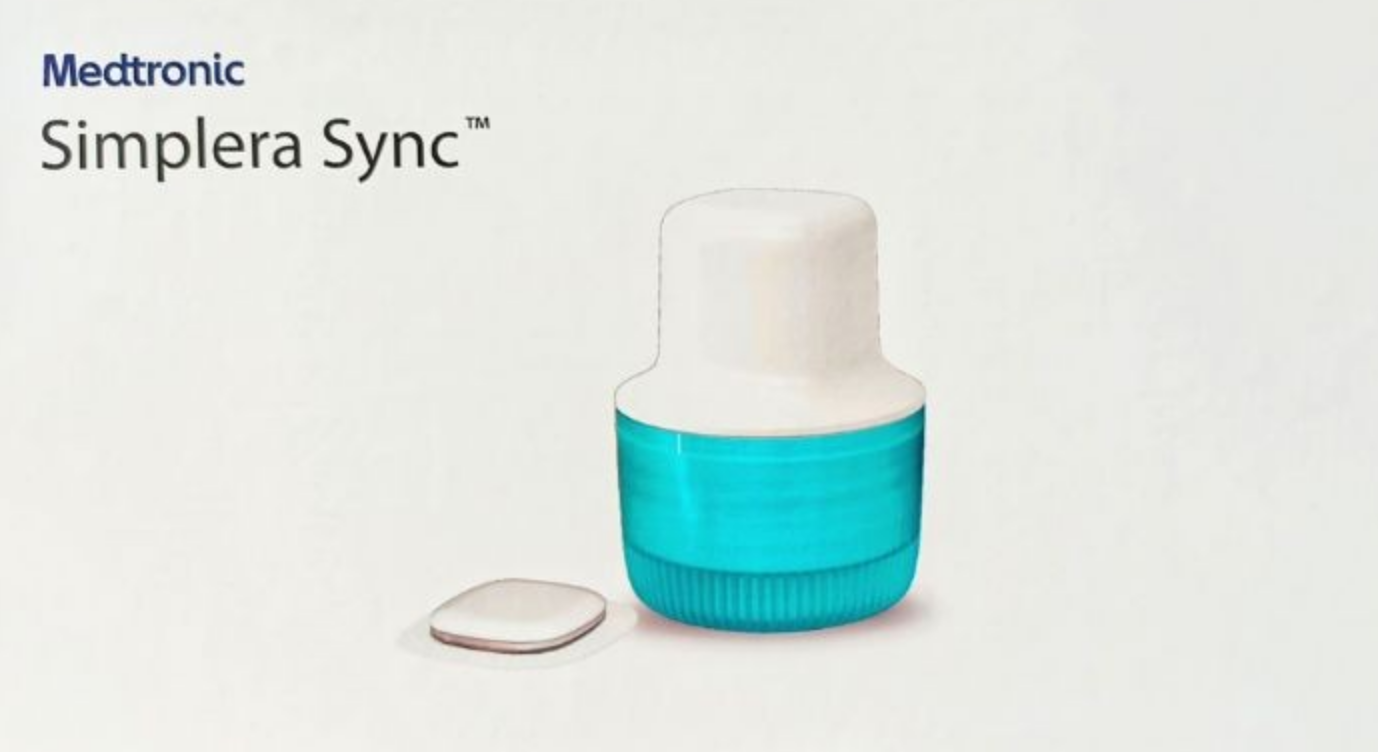
In the medical technology sector, 8% organic growth is decent, but hardly impressive. Competitors such as Dexcom, Insulet, and Tandem often post stronger growth rates. For patients, the key question is: where is this growth coming from? The report suggests it comes mainly from replacing older systems with newer ones (such as the Simplera sensor) and from geographic expansion, rather than from a major increase in new patients in wealthy Western countries.
The company also mentions "higher fuel and transportation costs due to the conflict in the Middle East", which may indirectly affect the prices of consumables in Poland as well.
To sum up: Medtronic Diabetes is growing, but this growth does not automatically translate into better conditions for patients. You can read more on this topic in the next post.
Sources: Q4 FY26 Financial Schedules, Earnings Commentary FY26Q4, Press Release FY26Q4, Earnings Presentation FY26.